Category: Captions
When the Emperor Was Divine
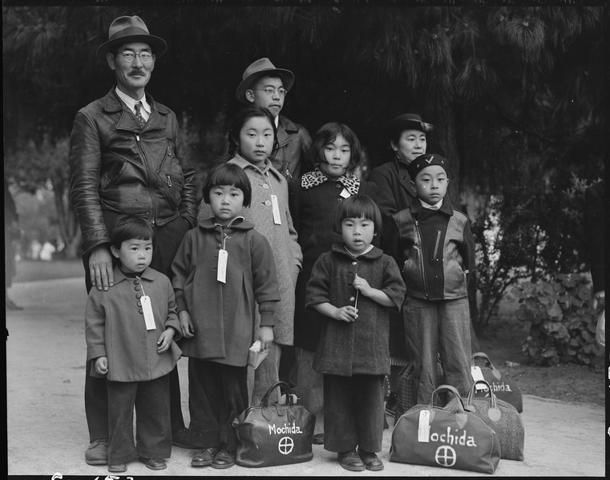
So go ahead and lock me up. Take my children. Take my wife. Freeze my assets. Seize my crops. Search my office. Ransack my house. Cancel my insurance. Auction off my business. Hand over my lease. Assign me a number. Inform me of my crime. Too short, too dark, too ugly, too proud. Put it down in writing—is nervous in conversation, always laughs loudly at the wrong time, never laughs at all—and I’ll sign on the dotted line. Is treacherous and cunning, is ruthless, is cruel. And if they ask you someday what it was I most wanted to say, please tell them, if you would, it was this: I’m sorry. There. That’s it. I’ve said it. Now can I go? (Julie Otsuka)
The Man in the High Castle
Hot winds blowing me who knows where. This is vision—of what? Can the animus endure this? Yes, the Book of the Dead prepares us: after death we seem to glimpse others, but all appear hostile to us. One stands isolated. Unsuccored wherever one turns. The terrible journey—and always the realms of suffering, rebirth, ready to receive the fleeing, demoralized spirit. The delusions. (Philip K. Dick)
Korematsu v. United States, 323 U.S. 214 (1944)
This is not a case of keeping people off the streets at night nor a case of temporary exclusion of a citizen from an area for his own safety or that of the community, nor a case of offering him an opportunity to go temporarily out of an area where his presence might cause danger to himself or to his fellows. On the contrary, it is the case of convicting a citizen as a punishment for not submitting to imprisonment in a concentration camp, based on his ancestry, and solely because of his ancestry, without evidence or inquiry concerning his loyalty and good disposition towards the United States. If this be a correct statement of the facts disclosed by this record, and facts of which we take judicial notice, I need hardly labor the conclusion that Constitutional rights have been violated. (Justice Owen Roberts)
Korematsu v. United States, 323 U.S. 214 (1944)
 Erik M. Bachman